
Conductive materials after harden
Spark erosion cuts tool steels, stainless, titanium, tungsten carbide, copper, and brass when conductivity and geometry allow — including after heat treat.
Non-contact spark-erosion cutting for hardened steels, titanium, copper alloys, and carbide — sharp internals, narrow slots, and profiles that conventional tools cannot reach. Pair with 5-axis milling when the part needs both.
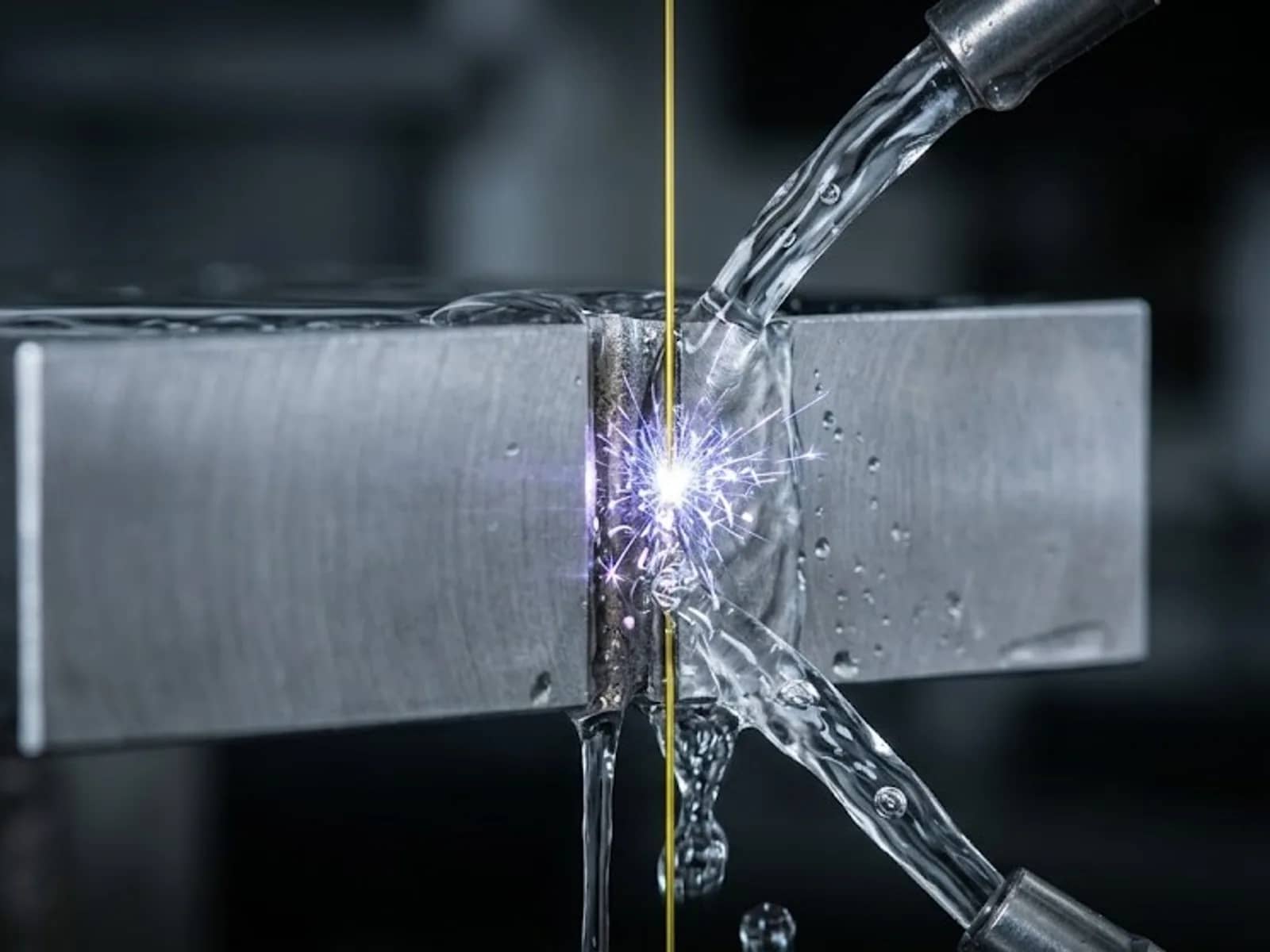
Spark erosion cuts tool steels, stainless, titanium, tungsten carbide, copper, and brass when conductivity and geometry allow — including after heat treat.
Narrow slots, sharp corners, and controlled taper (ref. about ±25° per 100 mm) with multi-pass skim strategies — confirmed via DFM.
Standard about ±0.01 mm; critical features to ±0.005 mm where specified. Pulse and flush tuned to limit brittle recast on sealing or fatigue faces.
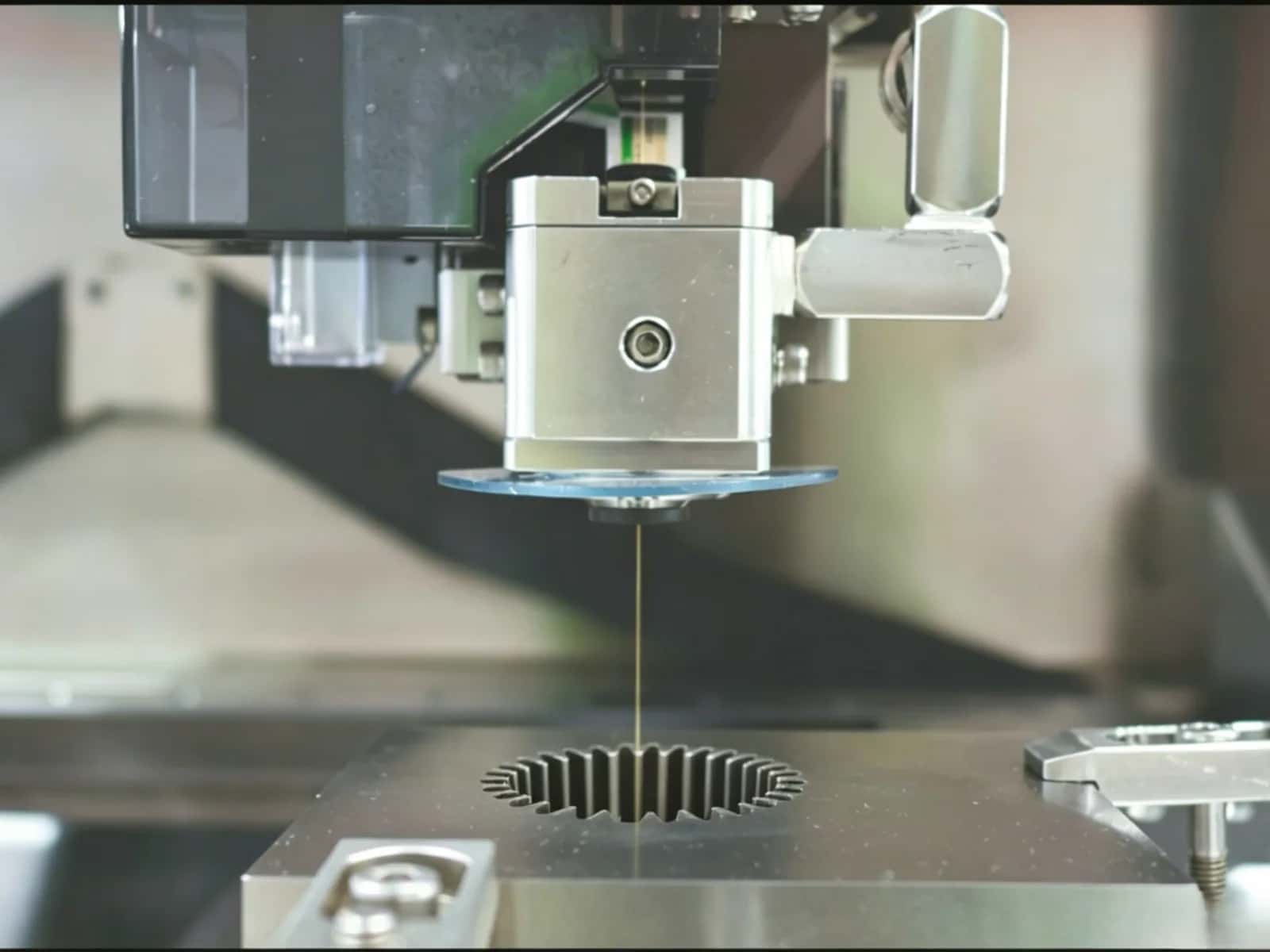
Wire electrical discharge machining for conductive metals that need profiles, deep slots, or sharp internals milling tools cannot reach cleanly. Multi-pass skim cutting with controlled flush and wire tension holds perpendicularity where the drawing requires it. Pair with five-axis milling or turning under one roof when the part needs both bulk removal and EDM finish.
Upload STEP/IGES and 2D PDF for slots, corners, taper, and critical datums.
We confirm conductivity, start-hole needs, wire access, skim strategy, and which limits need multi-pass cutting.
Stock condition, fixture plan, and whether upstream CNC roughing should precede EDM finish.
Multi-pass skim cutting with controlled flush and wire tension for geometry and surface integrity.
Dimensional checks per drawing — ZEISS CMM, optical comparison, and hand tools as required.
Protected packaging; finishing and assembly available when ordered as turnkey.
| Item | Capability |
|---|---|
| Process | Wire electrical discharge machining (WEDM); multi-pass skim cutting |
| Materials | Conductive metals including hardened tool steels, stainless, titanium, tungsten carbide, copper, brass, aluminum — confirm grade via DFM |
| Typical tolerance | About ±0.01 mm on typical features; ±0.005 mm on critical features where specified — confirmed via DFM / per drawing |
| Workpiece envelope (ref.) | Up to about 800 × 600 × 300 mm; max cutting thickness about 300 mm; max weight about 500 kg — confirm per part |
| Surface / wire | Best Ra < 0.4 µm via multi-pass skim; brass wire about 0.10–0.30 mm; taper to about ±25° per 100 mm thickness |
| File formats | STEP / STP, IGES; 2D PDF recommended for critical slots, corners, and GD&T |
| Inspection options | In-house ZEISS CMM and optical comparators; reports on request; scope per drawing and agreed plan |
Tool and alloy steels often finished or profiled after harden.
Copper and brass electrodes, fittings, and conductive profiles.
Aluminum when conductivity and geometry favor EDM over milling.
Grade comparison across metals we commonly stock and machine.
Post-EDM finishing options when the PO calls for turnkey delivery.
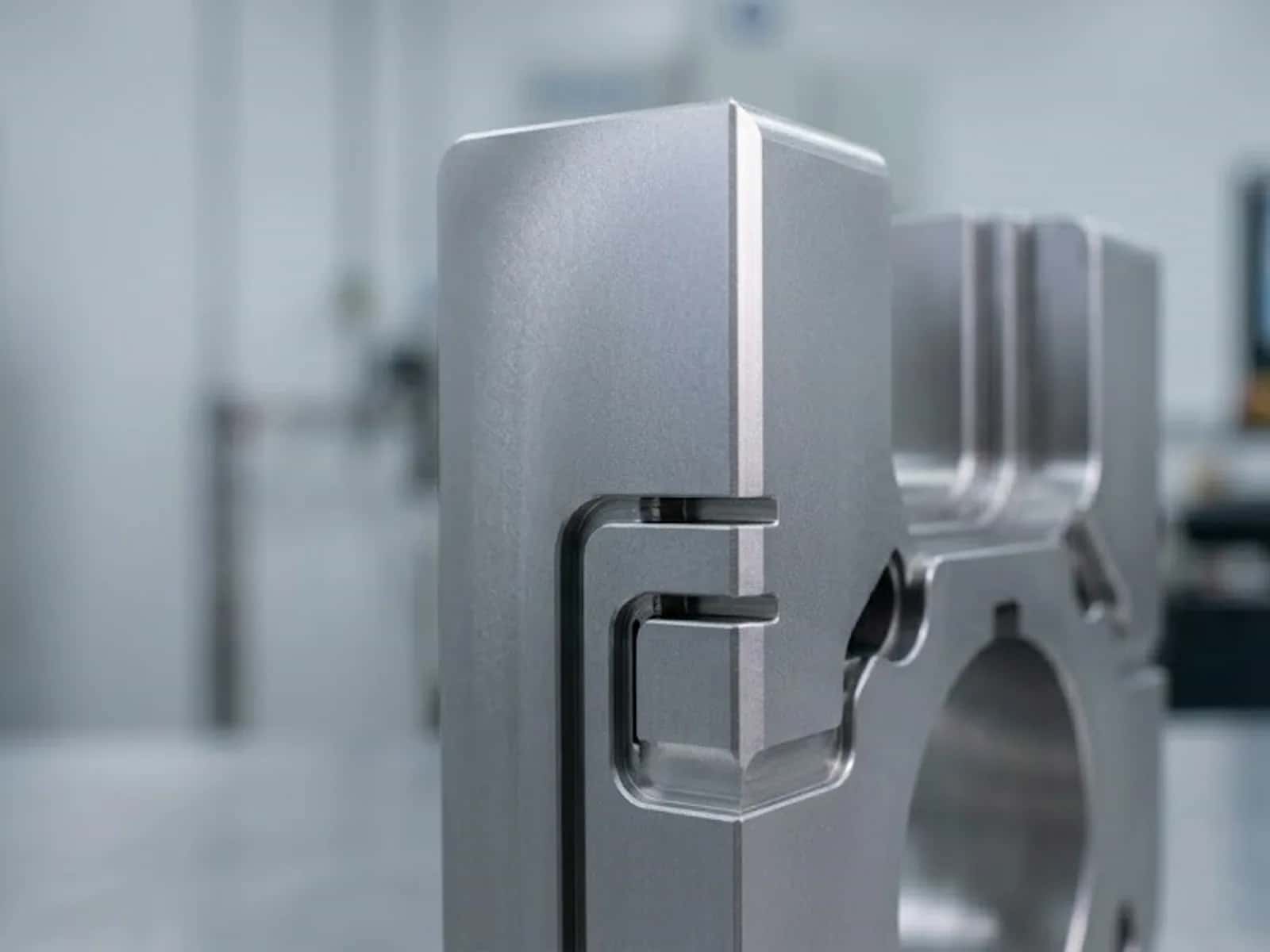
Deep cuts can introduce wire deflection and taper if flush and tension are not controlled. Multi-pass skim strategies and automatic wire tensioning hold perpendicularity where the drawing requires it. Pulse parameters and deionized water flushing are tuned to limit brittle recast layers on sealing or fatigue-critical faces — targets and acceptance remain per drawing and confirmed via DFM.
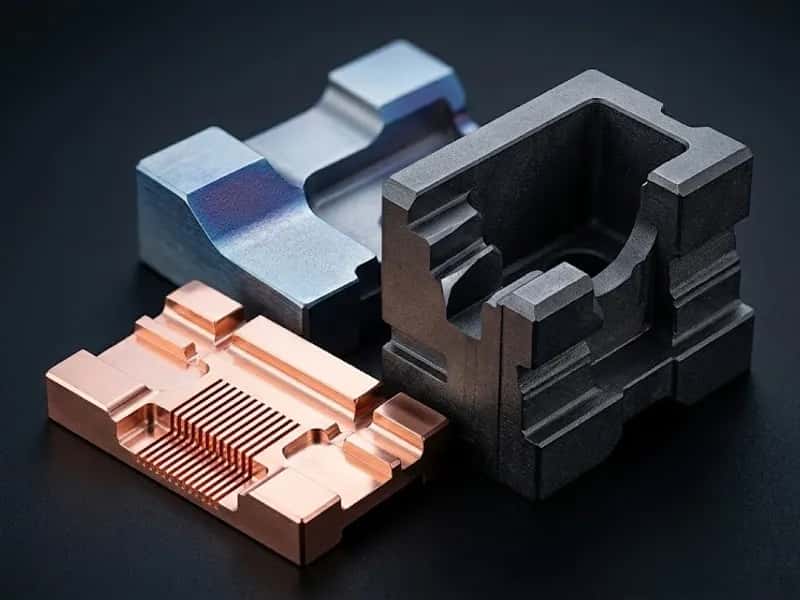
Carbide, copper, and titanium-family parts where mechanical cutting is impractical after harden.
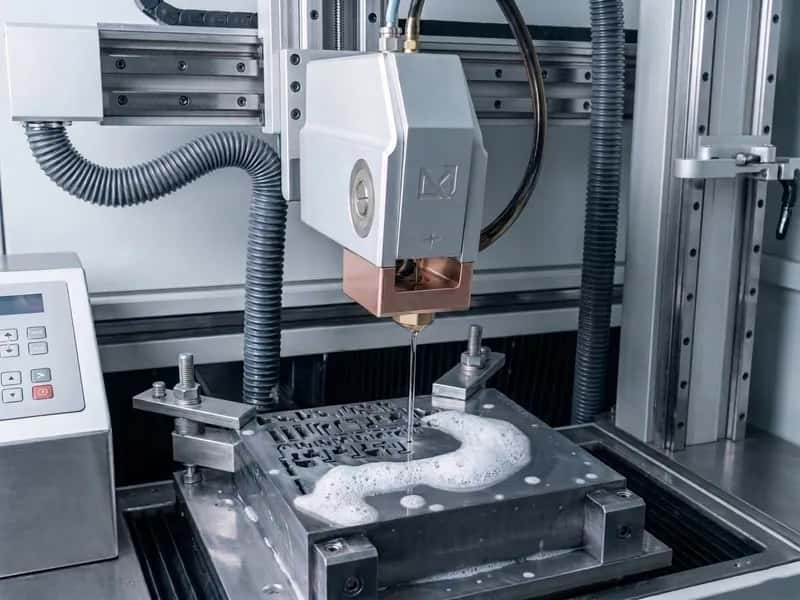
Wire head and dielectric flush on a clamped block — the same process control we apply to taper and recast.
Limits are always per drawing and confirmed via DFM. Sub-0.005 mm as routine delivery on all features is not offered. In-house inspection uses ZEISS CMM, optical comparators, and calibrated hand tools according to the agreed plan — not an unconditional 100% CMM on every feature of every part. MTR and FAI documentation are available on request. See CNC machining quality control.
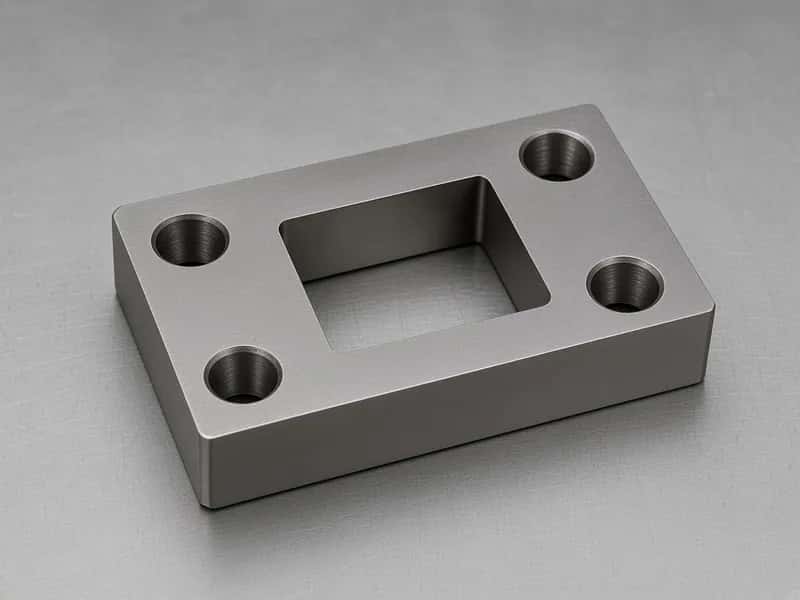
Hardened profiles, punches, and inserts where mechanical cutting is impractical.
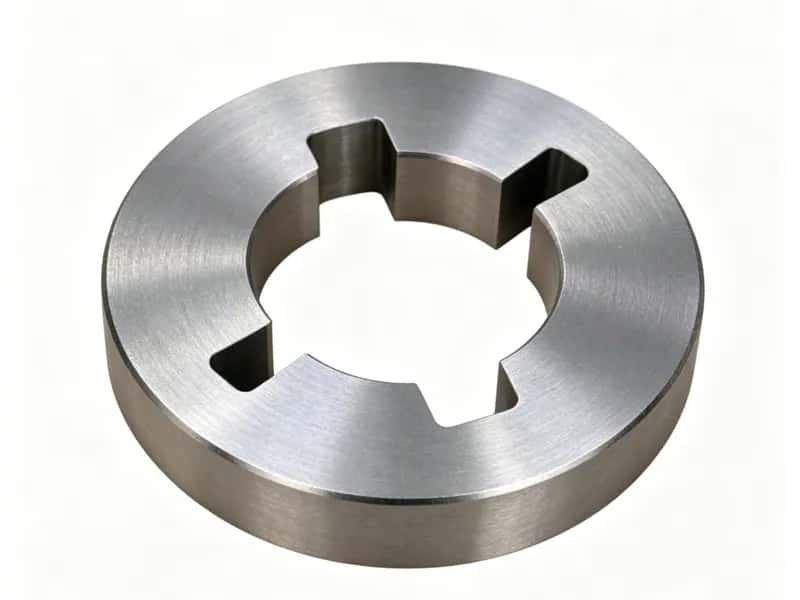
Narrow slots, sharp internal corners, and deep cuts that milling tools cannot reach cleanly.
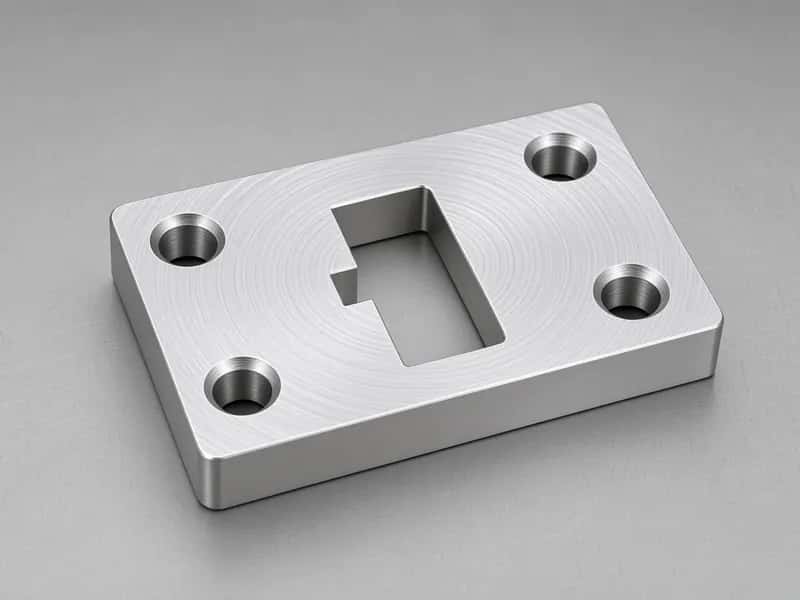
Parts rough-milled on 5-axis then EDM-finished for datum continuity under one supplier.
Standard production tolerance is about ±0.01 mm on typical features. Critical features can be controlled to ±0.005 mm where specified on your drawing — confirmed via DFM before quoting.
Prefer Wire EDM for intricate profiles, sharp internal corners, narrow slots, and hardened conductive materials. CNC milling is usually more efficient for bulk material removal on softer or annealed stock.
Yes. Because EDM uses electrical discharge rather than mechanical cutting force, it is effective on hardened steels and tungsten carbide when conductivity and geometry allow.
We use in-house ZEISS CMM, optical comparators, and calibrated hand tools as appropriate to your drawing and agreed inspection scope. CMM reports are available on request.
Upload your CAD files for a free DFM review and quotation. We typically respond within one business day.